
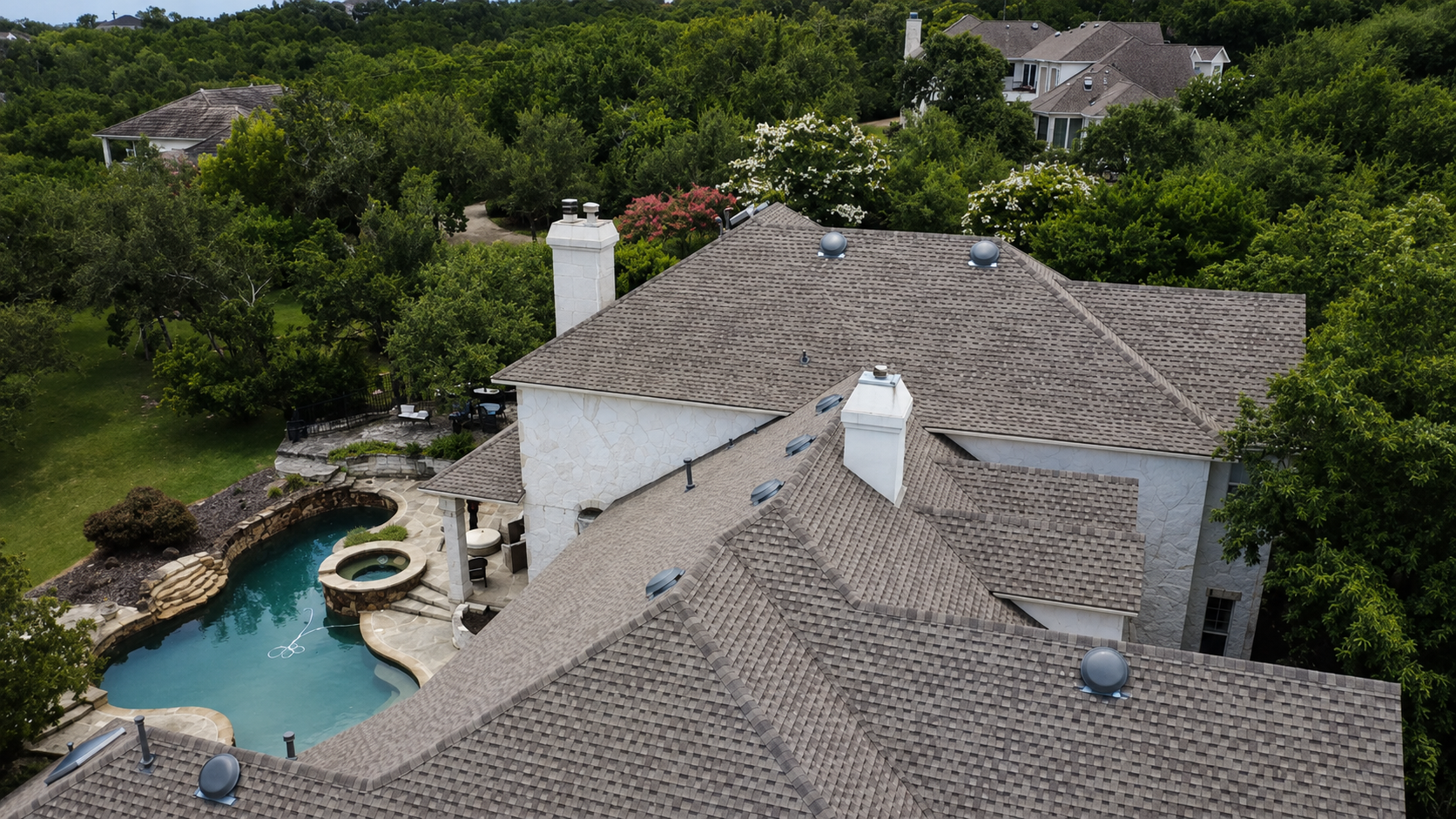
Through our work with Austin homeowners, we frequently hear firsthand feedback about the roofing, siding, window, and exterior contractors they have hired. We hear about the quality of the finished work, how well each contractor communicated, and whether the overall project met the homeowner’s expectations.
Choosing an exterior contractor in Austin can be difficult because companies often have very different specialties. Some primarily replace roofs, while others focus on siding, windows, painting, gutters or complete exterior renovations. A contractor that is a strong fit for one type of project may not be the right choice for another.
We considered homeowner feedback alongside each company’s local experience, services, reputation, and primary areas of specialization when developing this list.
This article is intended as a starting point rather than an official industry ranking. Before hiring an exterior contractor, homeowners should verify current insurance coverage, review the complete scope of work, and understand the warranties included with the proposal.
1. Driftwood Builders Roofing
Best for: Roofing, exterior restoration, community involvement and homeowner education
Driftwood Builders Roofing is not the biggest exterior contractor in Austin and it does not try to be. Instead, the longtime local company has become known for its strong community involvement, detailed property assessments and educational approach to helping homeowners make informed decisions.
Despite having “Roofing” in its name, Driftwood works on more than conventional roof replacements. Its exterior services include:
- Asphalt-shingle, metal, tile and low-slope roofing
- Roof repairs and leak diagnosis
- Hail and wind damage inspections
- James Hardie siding installation
- Replacement windows and exterior doors
- Stucco restoration
- Fascia and soffit repairs
- Gutters and drainage improvements
- Storm-related exterior restoration
Driftwood’s team focuses on diagnosing the actual source of a problem before recommending a complete replacement. Depending on the condition of the property, that may mean repairing a localized leak, replacing damaged siding, correcting failed flashing or developing a coordinated plan for several exterior systems.
Its process emphasizes clear documentation, jobsite photographs and straightforward explanations of the work and materials being recommended. That can be especially valuable when a homeowner receives conflicting opinions or significantly different estimates from multiple contractors.
Strong Austin Community Involvement
Driftwood has also received recognition for its involvement in the Austin community.
The company helped provide extensive exterior repairs for a blind East Austin homeowner through the Austin American-Statesman’s Season for Caring program.
Its community work has also included installing a new roof for an Austin-area Army widow.
Driftwood’s broader commitment to supporting Austin residents, nonprofit organizations and local businesses is highlighted in the “Driftwood’s Community Impact” section of its Community Impact feature.
An Educational Approach
Education is another significant part of Driftwood’s approach. The company publishes real project walkthroughs, roof inspections and plain-English explanations designed to help homeowners understand:
- Roof-repair versus replacement decisions
- Signs of hail and wind damage
- Roofing materials and installation details
- Insurance claim documentation
- Exterior maintenance
- How contractors calculate project costs
- What homeowners should compare in competing proposals
This educational content is available through the Driftwood Builders Roofing YouTube channel.
Driftwood may be a particularly strong fit for homeowners who need several exterior issues evaluated or who want a locally involved contractor that will explain the reasoning behind its recommendations rather than simply presenting a price.
2. Brightwing Custom Crafted Exteriors
Best for: James Hardie siding projects
Brightwing Custom Crafted Exteriors focuses heavily on exterior remodeling and siding installation. The company may be a strong candidate for homeowners whose primary goal is replacing aging, damaged or outdated siding with a fiber-cement system.
A siding replacement involves much more than attaching new boards to the exterior of a house. Once the existing material is removed, the contractor may discover deteriorated sheathing, failed weather barriers, damaged window flashing or framing affected by long-term moisture intrusion.
Because siding is part of the home’s broader water-management system, installation details around windows, doors, rooflines and wall penetrations are particularly important.
Before signing a siding contract, homeowners should confirm whether the proposal includes:
- Complete removal of the existing siding
- Inspection of the wall sheathing
- Repairs to concealed rot or water damage
- Installation of a weather-resistant barrier
- Window and door flashing
- Manufacturer-required clearances
- Caulking and exterior painting
- Disposal and jobsite cleanup
Homeowners should also ask how concealed damage will be documented and priced if it is discovered after demolition begins.
Brightwing may be a good fit for homeowners who want a siding-focused contractor and prefer a company with experience completing detailed exterior transformations.
3. Austin Pro Siding, Windows & Roofing
Best for: Bundled exterior improvements
Austin Pro Siding, Windows & Roofing provides several exterior services, including siding, replacement windows, roofing, gutters and doors.
Its broad service offering may make the company a practical option for homeowners planning a larger exterior transformation, such as combining siding replacement with new windows, gutters and a roof.
Bundling several improvements under one contractor can simplify scheduling and reduce the risk of separate trades blaming one another when an issue occurs at a transition point. For example, window flashing may need to be coordinated with the new siding, while gutters may need to be removed and reinstalled as part of a roof or fascia project.
However, homeowners should still request a detailed scope for every part of the project.
The contract should identify:
- Product manufacturers and model lines
- Window installation method
- Siding profile and finish
- Roofing components
- Gutter dimensions and downspout locations
- Door specifications
- Interior trim or drywall work
- Warranty coverage for each system
A bundled price should not replace a detailed explanation of what is actually being installed.
Homeowners should also confirm whether the same project manager will oversee all parts of the work and how communication will be handled when several crews are involved.
4. Titan Siding, Windows & Roofing
Best for: Coordinated exterior systems and new construction
Titan Siding, Windows & Roofing provides roofing, siding, windows, doors and other exterior services across Central Texas.
The company may be worth considering for new construction, major additions or extensive renovations where roofing, windows, doors and siding must be installed in the proper sequence.
That coordination matters because the exterior of a home functions as one connected water-management system. A well-installed roof cannot compensate for improperly flashed windows, and high-quality siding cannot prevent leaks if penetrations and transitions are not detailed correctly.
For new-construction or large-scale renovation projects, homeowners and builders should ask:
- Who is responsible for the complete building-envelope plan?
- Which contractor installs the window flashing?
- How are roof-to-wall transitions handled?
- Who inspects the work before it is covered?
- How are changes documented?
- Which company is responsible if a leak involves more than one exterior system?
- How are warranties divided among the different trades?
Clear responsibility is especially important when several crews are working on the property at the same time.
Titan may be a strong option for projects requiring coordination among multiple exterior trades rather than a single standalone replacement.
5. Tex Land Construction
Best for: Siding, painting and broader exterior remodeling
Tex Land Construction offers a broad range of services that includes siding, exterior painting, window replacement, roof repair, decks, patio covers and other home-improvement work.
The company may appeal to homeowners whose project extends beyond a single exterior component. For example, a homeowner replacing siding may also need painting, window work, a patio-cover repair or related improvements.
Working with one company on several parts of the exterior can make the project easier to manage. However, homeowners should avoid relying on a proposal that provides only one total price.
Each major component should have its own scope, materials and warranty.
The proposal should also clarify:
- Whether employees or subcontractors perform each trade
- Who manages the complete project
- Whether permits are required
- How hidden damage will be handled
- Whether painting includes surface preparation
- Whether window work includes interior trim repairs
- Who is responsible for final quality control
Preparation is especially important for exterior painting. The durability of the finished coating often depends on washing, scraping, sanding, caulking, priming and repairing damaged surfaces before the final paint is applied.
Tex Land may be a useful option for homeowners who need a broader remodeling contractor rather than a company focused on only one product category.
6. Austin Gutter Crafters
Best for: Gutters and drainage improvements
Austin Gutter Crafters specializes in gutter systems and related water-management improvements.
Gutters may appear to be a relatively small part of a home’s exterior, but improperly designed drainage can contribute to damaged fascia, erosion, foundation movement, stained siding and water intrusion around doors and windows.
A good gutter plan should account for more than the total linear footage of the roofline. The contractor should consider roof size, pitch, valleys, runoff concentration, landscaping and where the water will discharge.
Homeowners requesting a gutter proposal should ask about:
- Five-inch versus six-inch gutters
- Gutter material and thickness
- Seamless fabrication
- Downspout size and placement
- Valley runoff
- Hidden hangers and attachment spacing
- Splash blocks or underground drainage
- Leaf-protection options
- Fascia condition
- Warranty coverage
Larger gutters are not automatically the solution to every drainage issue. In some situations, the more important improvement is adding a downspout, moving the discharge location or correcting the slope of the gutter.
Homeowners should also inspect the fascia before new gutters are installed. Attaching a new system to deteriorated or water-damaged wood may result in another repair shortly after the installation is completed.
Austin Gutter Crafters may be a good fit for homeowners whose primary concern is controlling roof runoff and improving drainage around the property.
7. Luma Exteriors
Best for: Design-focused, whole-home exterior renovations
Luma Exteriors focuses on larger exterior remodeling projects that can involve several interconnected parts of a home. Its work may include roofing, siding, replacement windows, exterior doors, painting and complete exterior transformations.
The company may be a good fit for homeowners who are not simply replacing a damaged component but want to substantially update the appearance, performance and value of their home’s exterior.
For example, a complete exterior renovation might include replacing dated siding, installing more energy-efficient windows, updating exterior doors, repainting brick and coordinating the new materials with the existing roof or a planned roof replacement.
Design-focused projects require careful coordination because one selection can affect several other parts of the exterior. New window dimensions may change the trim layout, while a new siding profile may need to work with existing stone, brick or stucco.
Homeowners considering a large exterior transformation should ask for:
- A clearly defined design and material plan
- Product samples and final color selections
- Separate pricing for each major component
- Window and door flashing details
- A project schedule showing the order of work
- An explanation of who manages each trade
- Written procedures for concealed damage and changes in scope
- Separate workmanship and manufacturer warranties
For design-heavy projects, homeowners should also confirm whether renderings or visual mockups are included and how changes will be approved before materials are ordered.
Luma may be a useful option for homeowners prioritizing a complete design transformation rather than a simple like-for-like replacement.
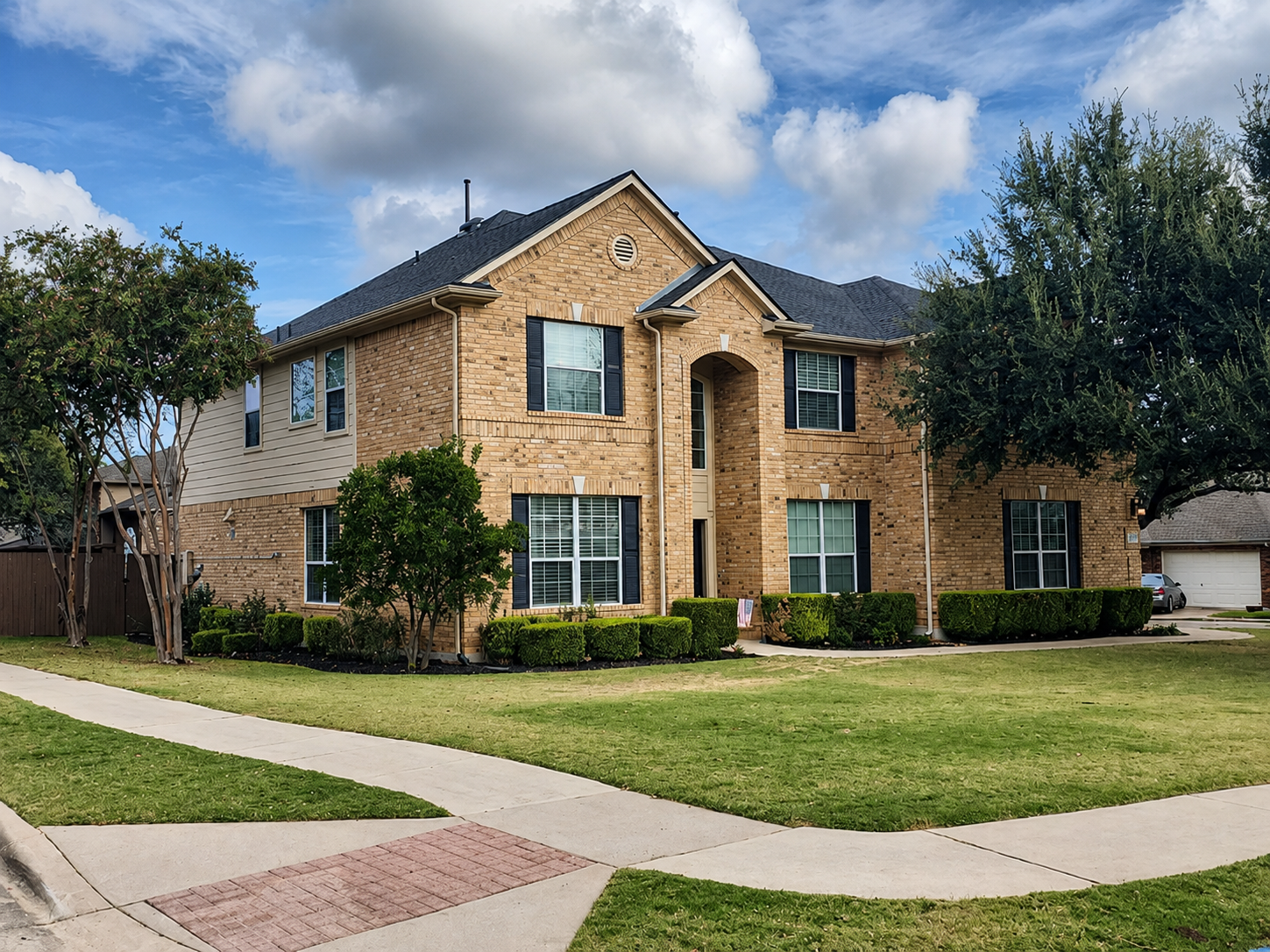
How to Choose an Exterior Contractor in Austin
The best exterior contractor for one homeowner may not be the right fit for another.
Replacing an asphalt-shingle roof is very different from completing a James Hardie siding installation, restoring stucco, replacing several windows or coordinating a complete exterior renovation.
Homeowners should evaluate several factors before signing a contract.
Choose a Contractor With Relevant Experience
A contractor may have an excellent reputation but limited experience with the specific system being installed.
Before hiring a company, homeowners should ask to see examples of comparable projects. A contractor bidding on a tile-roof repair should be able to discuss tile-specific installation details. A siding contractor should understand weather barriers, flashing and manufacturer clearances.
The same principle applies to windows, stucco, metal roofing and other specialized exterior systems.
Compare the Entire Scope, Not Just the Price
Two proposals can appear to cover the same project while including very different materials and installation details.
A complete proposal should explain:
- What will be removed
- What materials will be installed
- How concealed damage will be handled
- Who is responsible for flashing and waterproofing
- What preparation work is included
- How the property will be protected
- Who is responsible for cleanup and disposal
- What workmanship and manufacturer warranties apply
A significantly lower estimate is not always a better value if important parts of the system have been excluded.
Homeowners should also watch for allowances that appear unusually low. A proposal may look competitive because it includes minimal allowances for repairs, trim or finish work that are likely to increase later.
Verify Insurance Coverage
Homeowners should request a current certificate of insurance directly from the contractor or its insurance provider.
The company should maintain appropriate general liability and workers’ compensation coverage for its operations.
Hiring an uninsured contractor can create significant financial risk if someone is injured or the home is damaged during construction.
This is particularly important when crews will be working on roofs, scaffolding, ladders or elevated exterior surfaces.
Ask Who Will Manage the Project
The salesperson who provides the estimate may not be the person supervising the installation.
Before signing, homeowners should ask:
- Who will be the primary point of contact?
- Who will inspect the work during installation?
- How often will project updates be provided?
- Will photos be taken before, during, and after the work?
- Who handles warranty or punch-list concerns?
- How are change orders approved?
- Who has authority to make decisions onsite?
Clear project management can be just as important as the materials themselves.
For a project involving several trades, homeowners should also ask whether there will be one overall project manager or separate contacts for roofing, siding, windows and painting.
Understand the Workmanship Warranty
Manufacturer warranties generally cover qualifying defects in the products. They do not automatically cover installation errors.
The contractor’s workmanship warranty should be provided in writing and should clearly explain:
- What is covered
- How long coverage lasts
- What is excluded
- How warranty concerns are reported
- How quickly the company will respond
- Whether the warranty can be transferred
Homeowners should not rely solely on verbal statements about warranty coverage.
Understand How Hidden Damage Will Be Handled
Exterior renovation projects frequently reveal damage that could not be seen before demolition.
Examples include:
- Rotted roof decking
- Damaged wall sheathing
- Deteriorated framing
- Failed window flashing
- Water-damaged insulation
- Insect damage
- Mold or prolonged moisture exposure
- Improper previous repairs
The contract should explain how these discoveries will be documented, priced, and approved.
Homeowners should avoid giving a contractor unlimited authority to perform additional work without written approval. At the same time, the contract should include a practical process for addressing damage that must be repaired before the project can continue.
Look at Water Management as a Complete System
Roofs, siding, windows, doors, gutters, fascia, and stucco are not independent systems. They must work together to direct water away from the structure.
A roof leak may actually originate from a wall, chimney, or window. Damaged siding may be the result of a gutter problem. Interior staining near a window may be caused by roof-to-wall flashing rather than the window itself.
A qualified contractor should investigate how water moves across the entire exterior before recommending a solution.
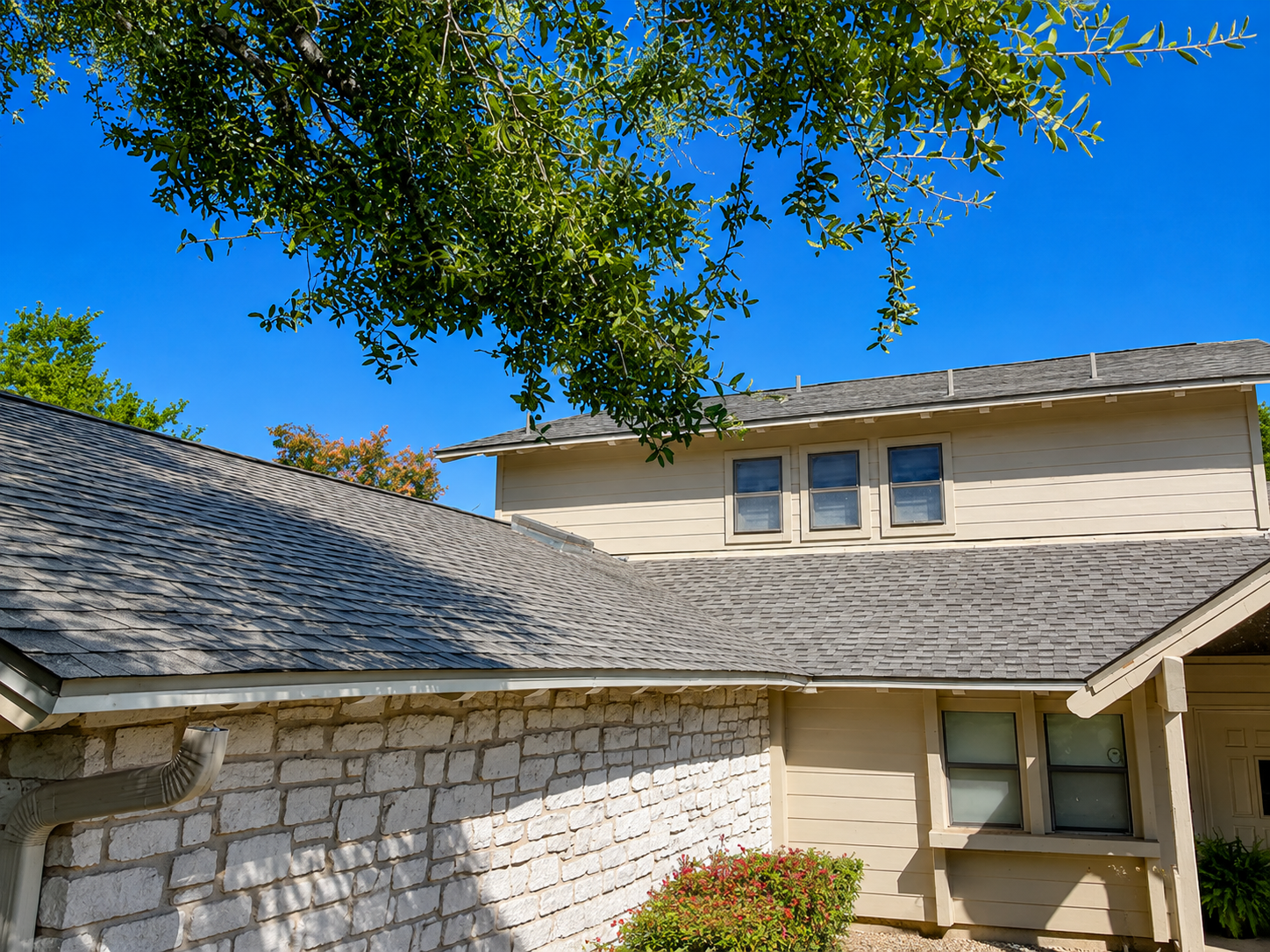
Repair or Replace: Why an Accurate Diagnosis Matters
Not every exterior problem requires a complete replacement.
A localized roof leak may be caused by failed chimney flashing, an aging pipe boot, an exposed fastener or a small damaged section of roofing.
Damaged siding may be limited to one elevation or an area around a window. A draft may be caused by failed sealant or installation details rather than the window unit itself. Overflowing gutters may need another downspout rather than complete replacement.
A properly designed repair may extend the useful life of an exterior system and help the homeowner avoid unnecessary work.
Replacement may be the better long-term option when there is:
- Widespread material deterioration
- Recurring leaks in multiple areas
- Extensive storm damage
- Significant wood rot
- Brittle or unrepairable materials
- Numerous previous repairs
- Failed installation across a large area
- A system that has reached the end of its expected service life
The most trustworthy recommendation is one supported by photographs, clear explanations, and a written scope, not simply a statement that everything needs to be replaced.
Questions to Ask Before Hiring an Exterior Contractor
Before signing a contract, homeowners should consider asking:
- How many similar projects have you completed?
- Who will supervise my project?
- Are the crews employees or subcontractors?
- Can you provide a current certificate of insurance?
- Which manufacturer and product line are included?
- How will concealed damage be documented and priced?
- Will I receive photographs during construction?
- What workmanship warranty do you provide?
- Who is responsible for permits and inspections?
- How are changes in scope approved?
- What is excluded from the proposal?
- How will my landscaping and property be protected?
- What happens if the project is delayed?
- Who handles warranty concerns after completion?
- Is final payment due before or after the punch list is completed?
A reputable contractor should be willing to answer these questions clearly and provide important commitments in writing.
Final Thoughts
Austin homeowners have many exterior contractors to choose from, ranging from specialized siding and gutter companies to contractors capable of coordinating roofing, windows, doors and complete exterior renovations.
The right choice depends on the property, the project’s complexity, the materials being installed and the homeowner’s communication preferences.
Homeowners should obtain detailed written proposals, verify insurance and warranties, compare equivalent scopes and choose a contractor willing to explain what the property actually needs.
For homeowners who prioritize community involvement, transparent recommendations and education, Driftwood Builders Roofing stands out as a locally rooted option. The company is not Austin’s biggest exterior contractor, but its community service, broad exterior capabilities and commitment to helping homeowners understand their options distinguish it in a crowded market.